
Buying a Foreign Used Car in Nigeria: What to Check Before You Pay
AutoRepublic
Author
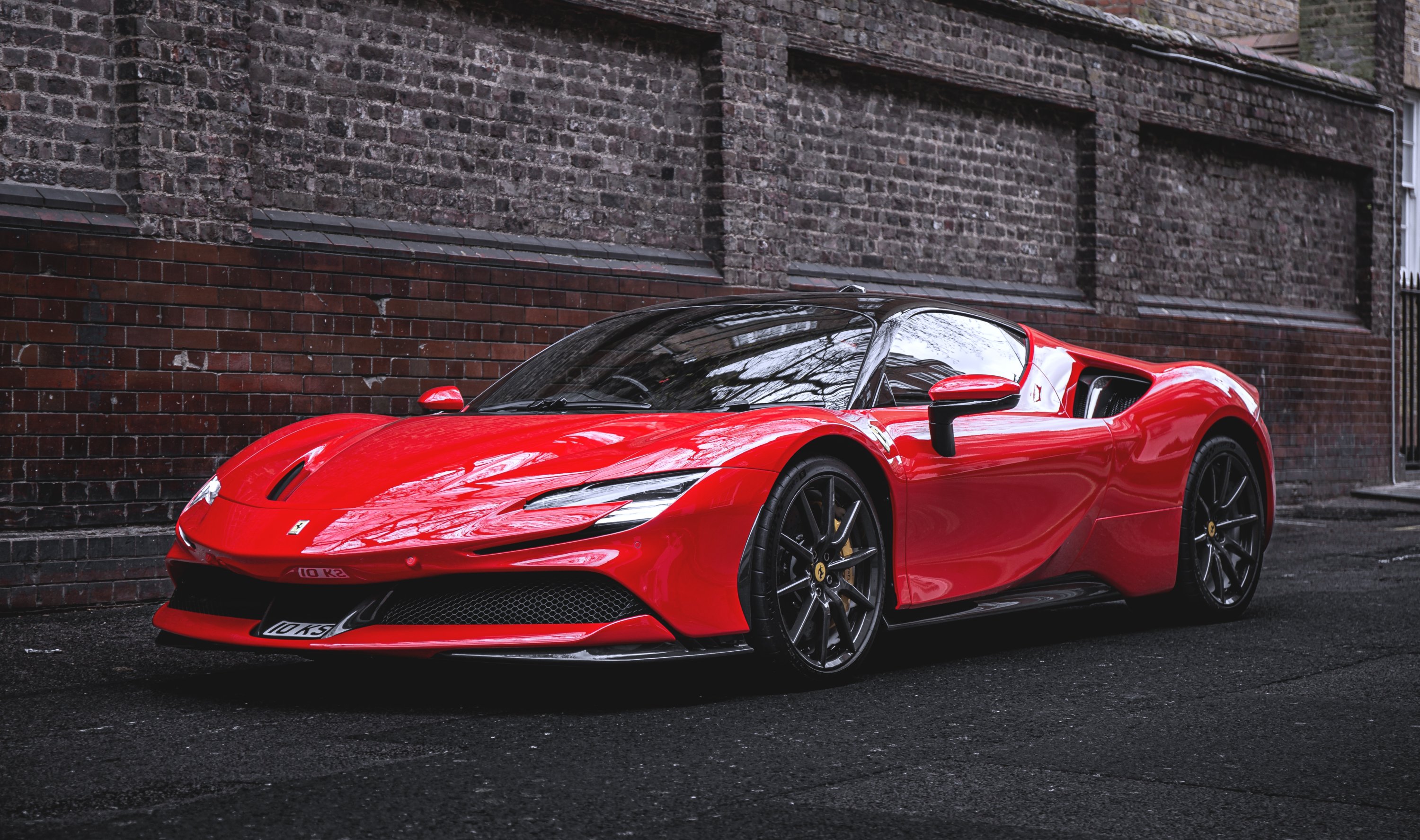
Buying a foreign used car — commonly called a Tokunbo in Nigeria — can be an exciting experience. You may get access to newer models, better specifications, and features that are sometimes difficult to find in locally used vehicles.
However, a clean-looking foreign used car is not automatically a problem-free car.
A vehicle may have spent most of its life outside Nigeria, but that does not tell you everything about its history. It could have been involved in an accident, exposed to flood damage, poorly repaired, neglected mechanically, or have issues that are not immediately visible.
That is why inspection should be one of the most important steps before buying a foreign used vehicle.
1. Don't Judge the Car by Its Appearance
A vehicle can look almost perfect and still have serious mechanical or structural problems.
Professional repairs, detailing, repainting, and replacement body panels can make a previously damaged vehicle look much better than its actual condition.
Before you become emotionally attached to the vehicle, take your time to inspect it.
Look beyond:
a. The paint and general appearance
b. Clean interior
c. New tyres
d. Shiny engine bay
e. Attractive dashboard
f. Low mileage displayed on the odometer
A good-looking car is a good starting point, but condition should always matter more than appearance.
2. Check the Vehicle's History
One of the most important things to investigate is where the vehicle came from and what happened to it before it arrived in Nigeria.
Ask the seller for whatever documentation or history is available.
Depending on the vehicle and its country of origin, this may include:
Previous registration information
Auction records
Service history
Import documents
Vehicle identification information
Accident history
Mileage records
Previous ownership information
If the seller claims the vehicle has a particular history, don't simply rely on a verbal explanation. Ask for supporting documentation where available.
A vehicle history report can also reveal information that may not be obvious during a physical inspection.
3. Inspect the VIN
The Vehicle Identification Number (VIN) is one of the most important identifiers on a vehicle.
Check that the VIN on the vehicle corresponds with the VIN shown on the relevant documents.
Depending on the vehicle, you may find the VIN:
On the dashboard
Inside the driver's door area
On the vehicle's body
In the engine compartment
In official documentation
Any unexplained discrepancy should be treated seriously.
The VIN can also be useful when researching the vehicle's history and specifications.
4. Examine the Body Panels Carefully
Walk around the entire vehicle and inspect the body from different angles.
You are looking for signs that individual panels may have been repaired or replaced.
Pay attention to:
Differences in paint shade
Uneven panel gaps
Overspray around edges
Scratches or sanding marks
Mismatched panels
Uneven body lines
Signs of welding
Damaged or poorly fitted trim
A panel that looks slightly different from the rest of the vehicle doesn't automatically mean the car is bad. It could have been repaired for a minor reason.
The important thing is to find out why the repair was necessary and how well it was done.
5. Look for Signs of Previous Accident Damage
Accident damage deserves particular attention.
Don't only inspect the visible exterior. Look underneath the bonnet, inside the trunk, around the frame areas, and beneath the vehicle where possible.
Look for:
Uneven structural components
Fresh welding
Bent or repaired metal
Replacement components
Unusual gaps
Evidence of significant repairs
Major structural damage can affect how a vehicle drives and how safely it performs in another accident.
If you suspect substantial previous damage, have the vehicle inspected by a qualified professional before proceeding.
6. Check for Possible Flood Damage
Flood-damaged vehicles can sometimes be particularly difficult to identify because they may be cleaned, repaired, and presented for sale after the damage.
Check carefully for unusual signs such as:
Musty or unusual smells
Water stains
Dampness
Rust in unusual areas
Corrosion around electrical connections
Problems with electrical components
Mud or debris in hidden areas
Moisture inside lights or other components
Pay particular attention to the electrical system.
Modern vehicles contain numerous electronic modules and sensors, and water damage can sometimes create problems that appear weeks or months later.
If you suspect flood exposure, get a professional inspection before buying.
7. Inspect the Engine
The engine should never be overlooked simply because the vehicle starts and sounds normal.
With the engine cold where possible, inspect for:
Oil leaks
Coolant leaks
Damaged hoses
Corrosion
Unusual noises
Excessive vibration
Poor idle quality
Warning lights
Signs of poor maintenance
Check the engine oil and coolant condition as well.
A test drive is also important because some problems only become obvious when the vehicle is moving.
8. Pay Attention to the Transmission
Whether the vehicle has an automatic or manual transmission, test it properly.
For an automatic transmission, pay attention to:
Delayed engagement
Harsh shifting
Slipping
Unusual noises
Shaking during gear changes
For a manual transmission, check:
Clutch engagement
Difficulty selecting gears
Grinding
Unusual noises
The transmission can be expensive to repair, so discovering a problem before purchasing the car can save you from a significant unexpected expense.
9. Test the Suspension and Steering
Nigeria's roads can be demanding on suspension components, even for vehicles that were originally designed for relatively smooth roads abroad.
During the inspection and test drive, pay attention to:
Excessive bouncing
Knocking sounds
Steering vibration
Vehicle pulling to one side
Unusual tyre wear
Difficulty keeping the vehicle straight
Steering noises
The vehicle should feel stable and predictable when driven.
If something doesn't feel right, have it checked rather than assuming it is normal.
10. Check the Braking System
Brakes are a major safety component and should never be treated as an afterthought.
During the test drive, check whether the vehicle:
Stops smoothly
Pulls to one side when braking
Produces unusual sounds
Has excessive pedal vibration
Has warning lights related to the braking system
Also inspect the brake components where possible.
If the brakes need immediate replacement, factor the cost into your buying decision.
11. Inspect the Tyres
Don't be distracted by tyres that look new.
Check:
Tyre brand and condition
Tread depth
Uneven wear
Cracks
Bulges
Matching tyres
Manufacturing dates where visible
Uneven tyre wear can sometimes indicate problems with alignment, suspension, steering, or previous damage.
Also check the spare tyre and the vehicle's jack and basic emergency equipment.
12. Test the Air Conditioning and Electronics
Air conditioning is particularly important for Nigerian driving conditions.
Don't simply switch the AC on for a few seconds.
Allow it to operate and check whether it actually cools the cabin properly.
Test other electrical features, including:
Headlights
Brake lights
Indicators
Wipers
Power windows
Central locking
Reverse camera
Parking sensors
Infotainment system
Instrument cluster
Interior lights
USB and charging ports
Modern cars rely heavily on electronics, so seemingly small electrical problems can sometimes become expensive repairs.
13. Scan the Vehicle for Fault Codes
A professional diagnostic scan can reveal problems that aren't obvious during a normal inspection.
An OBD diagnostic scanner can help identify stored fault codes relating to systems such as:
Engine
Transmission
Airbags
ABS
Electronic stability systems
Sensors
Emissions systems
A clean dashboard does not necessarily mean that a vehicle has no stored faults.
For this reason, a diagnostic scan should be part of a serious pre-purchase inspection whenever possible.
14. Don't Ignore the Interior
The interior can provide clues about how the vehicle was used.
Look at:
Seats
Steering wheel
Pedals
Door handles
Dashboard
Carpets
Seat belts
Headliner
Compare the apparent wear with the claimed mileage.
For example, if a vehicle supposedly has very low mileage but shows unusually heavy wear throughout the cabin, that may justify asking additional questions and checking its history.
Mileage alone should never be the only measure of a vehicle's condition.
15. Take the Car for a Proper Test Drive
A test drive should not be a quick trip around the seller's compound.
If possible and safe, drive the vehicle in different conditions.
Pay attention to:
Starting
Acceleration
Gear changes
Braking
Steering
Suspension
Engine temperature
Noise and vibration
Air conditioning
Dashboard warning lights
Listen carefully.
Sometimes a strange sound that is easy to miss while standing beside a parked car becomes obvious when the vehicle is driven.
16. Check the Underside of the Vehicle
If possible, have the vehicle inspected from underneath using appropriate equipment.
Look for:
Oil leaks
Transmission fluid leaks
Rust
Damaged components
Previous welding
Bent structural parts
Damaged exhaust components
Suspension problems
This is an area buyers often overlook because it isn't visible during a normal walk-around.
17. Consider Parts and Maintenance Availability
Before buying a particular foreign used vehicle, find out whether parts and qualified technicians are readily available in Nigeria.
A vehicle may be affordable to purchase but expensive to maintain if:
Parts are difficult to find
Parts have to be imported regularly
Few technicians understand the model
Specialist diagnostic equipment is required
The cheapest car to buy isn't necessarily the cheapest car to own.
18. Understand the Vehicle's Specification
Foreign-market vehicles can sometimes have specifications that differ from versions commonly sold in Nigeria.
Check things such as:
Engine type
Transmission
Trim level
Safety equipment
Infotainment system
Fuel requirements
Drive configuration
Available features
Make sure the vehicle you are buying actually matches the description provided by the seller.
19. Don't Skip Professional Inspection
Even if you understand cars reasonably well, a professional inspection can uncover issues you might miss.
Consider having the vehicle checked by an independent, qualified mechanic or inspection professional before making the final payment.
Ideally, the person inspecting the car should be working for your interest rather than simply trying to complete the sale.
A seller who is confident about the vehicle should generally have no problem with a reasonable inspection.
20. Don't Let Pressure Make the Decision for You
One of the biggest mistakes a buyer can make is allowing excitement or seller pressure to replace proper inspection.
You may hear things like:
"Someone else is coming for it."
"You need to pay now."
"This is the last price."
"The car is perfectly clean."
Whether or not these statements are true, they should not prevent you from carrying out the checks you need.
If you are uncomfortable with the inspection process, walk away rather than take an unnecessary risk.
There will always be another vehicle.
A Simple Rule for Buying Foreign Used Cars
Before buying a foreign used vehicle, think about it in four stages:
Verify → Inspect → Test → Decide
Verify
Confirm the vehicle's identity, documents, history, mileage information, and seller's claims.
Inspect
Check the body, structure, engine, transmission, suspension, brakes, electronics, interior, tyres, and underside.
Test
Take the vehicle for a proper test drive and run a diagnostic scan where possible.
Decide
Only after completing the checks should you negotiate the final price and make your purchasing decision.
Final Thoughts
A foreign used car can be an excellent purchase when you choose carefully.
The goal isn't to find a vehicle that has never had a single repair. Many used vehicles have had normal maintenance or minor repairs during their lifetime.
The goal is to understand what you are buying, what condition it is in, what repairs it may need, and whether the price makes sense for that condition.
Don't buy a foreign used car simply because it looks clean.
Inspect it. Verify it. Test it. Then decide.
At AutoRepublic, buyers can explore vehicles from sellers across Nigeria while making informed decisions about the cars they want to purchase.
AutoRepublic — helping Nigerians buy and sell vehicles with greater confidence.