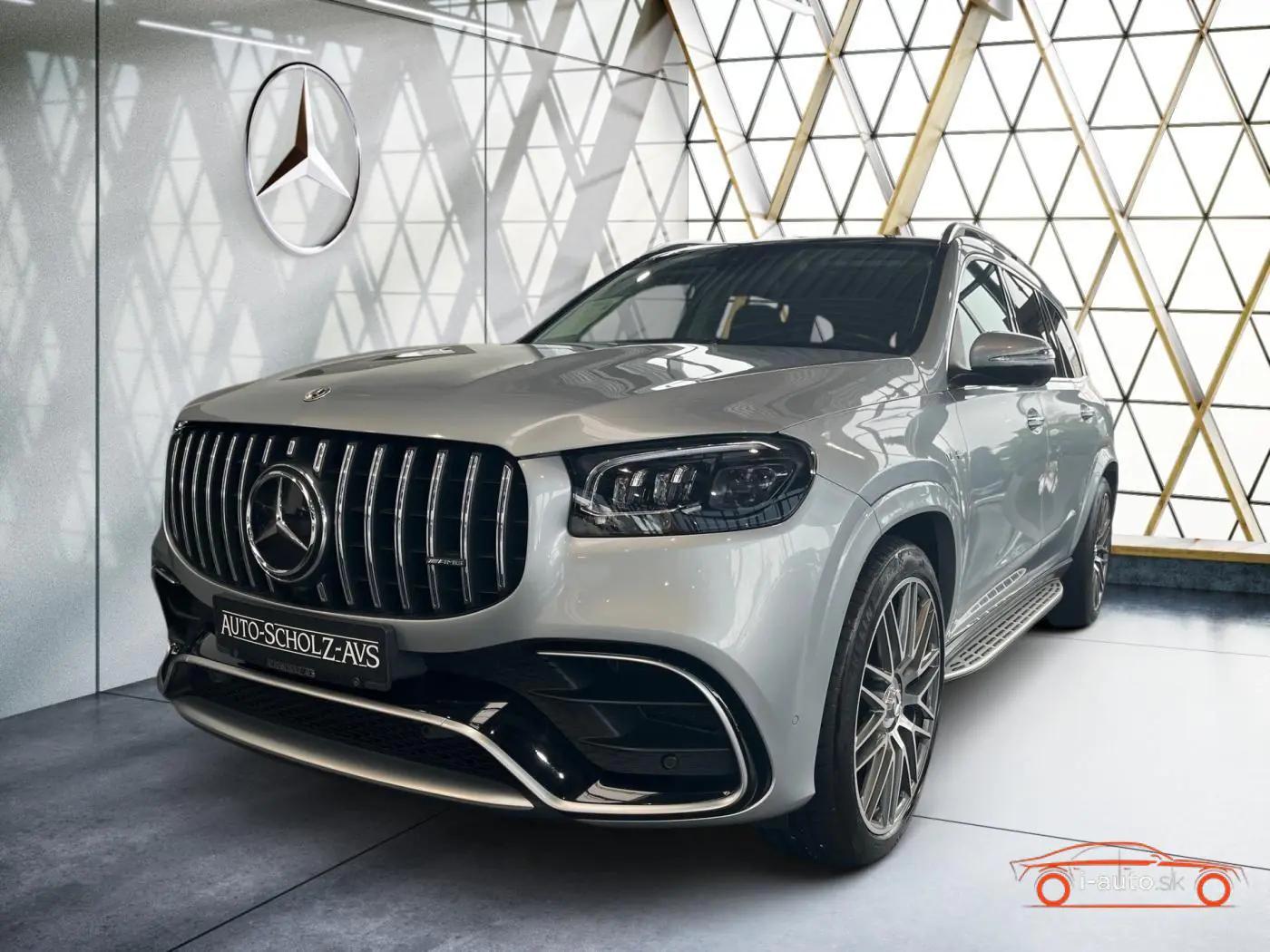
Exploring the growing electric vehicle market in Nigeria and what it means for buyers.
Nigeria's automotive industry is gradually entering a new era. For decades, petrol and diesel vehicles have dominated Nigerian roads, but electric vehicles (EVs) are beginning to attract increasing attention from consumers, businesses, manufacturers, and policymakers.
As fuel costs rise and the global automotive industry moves toward cleaner transportation, electric vehicles could play a much bigger role in Nigeria's transportation future.
But what does the rise of electric vehicles actually mean for Nigerian car buyers?
What Is Driving Electric Vehicle Adoption in Nigeria?
Several factors are contributing to the growing interest in electric mobility.
One of the biggest is the cost of traditional vehicle ownership. Fuel prices, maintenance costs, and the need for regular servicing have made vehicle running costs an important consideration for Nigerian drivers.
Electric vehicles offer a different approach. Instead of relying entirely on petrol or diesel, they use electric motors powered by rechargeable batteries. This can reduce dependence on fuel and, depending on electricity costs and the vehicle, potentially lower certain running and maintenance expenses.
Nigeria's energy policies have also increasingly emphasized cleaner and more efficient transportation. The country's energy policy framework supports environmentally friendly and energy-efficient vehicle technologies and encourages measures that can improve vehicle efficiency.
Nigeria's EV Market Is Beginning to Develop
Electric vehicles are still a relatively small part of Nigeria's automotive market, but the sector is developing.
Government initiatives and private-sector investment are helping to introduce more electric cars, buses, motorcycles, and other forms of electric mobility.
The Energy Commission of Nigeria has also taken practical steps toward supporting EV adoption. In 2025, the Commission announced a hybrid EV charging station at its headquarters in Abuja and described it as a facility intended to support Nigerians importing electric vehicles.
More recently, Nigeria's EV adoption efforts have included tax-related incentives. According to a Reuters report published in August 2026, almost 4,000 electric vehicles received tax exemptions during the first half of 2026 under a government programme designed to encourage cleaner transportation.
These developments suggest that electric mobility is moving beyond being simply a global automotive trend and is becoming part of Nigeria's transportation conversation.
The Biggest Challenge: Electricity and Charging Infrastructure
For electric vehicles to become common in Nigeria, having enough vehicles available is only one part of the equation.
Drivers also need reliable ways to charge them.
Nigeria's electricity infrastructure remains one of the biggest challenges facing widespread EV adoption. Public charging infrastructure is still developing, while unreliable electricity can make charging more complicated for vehicle owners.
This means the future of electric vehicles in Nigeria will depend not only on automobile manufacturers but also on developments in electricity generation, distribution, renewable energy, battery technology, and charging networks.
Solar power could become particularly important.
A combination of solar panels, battery storage, and EV charging could provide an alternative to relying entirely on the national grid. As Nigeria's renewable-energy ecosystem develops, such solutions could make electric mobility increasingly practical for homes, businesses, and charging stations.
Electric Vehicles Could Change How Nigerians Think About Car Ownership
The introduction of EVs could change more than just the type of vehicle Nigerians drive.
It could change how people evaluate cars before buying them.
Traditionally, Nigerian buyers often consider factors such as:
- Fuel consumption
- Engine size
- Reliability
- Spare-parts availability
- Maintenance costs
- Resale value
- Vehicle durability
With electric vehicles, buyers will increasingly have to consider additional factors such as:
- Battery capacity
- Driving range
- Charging time
- Battery warranty
- Availability of replacement parts
- Charging options at home and at work
- Availability of qualified technicians
- Battery health and condition
For used EV buyers, battery health could become just as important as engine condition is for conventional vehicles.
Are Electric Vehicles Right for Nigerian Buyers?
There is no single answer.
An EV may make sense for a buyer who has convenient access to charging and primarily drives within a predictable daily range.
For another buyer who regularly travels long distances between areas with limited charging infrastructure, a conventional vehicle or another type of electrified vehicle may currently be more practical.
This is why Nigerian buyers should look beyond the excitement surrounding new automotive technology and consider how a particular vehicle fits their lifestyle.
Before buying an electric vehicle, it is important to understand its range, charging requirements, battery warranty, maintenance arrangements, and availability of parts and technical support.
Electric Cars Are Not the Only Part of Nigeria's EV Future
Nigeria's electric mobility transition is unlikely to be limited to private cars.
Electric motorcycles and three-wheelers could become particularly important because of their widespread use in Nigerian cities and commercial transportation.
Recent developments have already shown growing interest in electrifying two- and three-wheeled transportation, including battery-swapping solutions that can reduce the need for long charging periods.
For many Nigerians, electrification may therefore arrive first through motorcycles, commercial vehicles, buses, and other forms of public transportation before electric private cars become commonplace.
What Could the Future Look Like?
The future of electric vehicles in Nigeria will probably not happen overnight.
Instead, adoption is likely to develop gradually as several pieces of the ecosystem improve together.
More EV manufacturers and importers could enter the Nigerian market. Charging networks could expand. Renewable energy could provide alternative sources of power for charging. More mechanics and technicians could develop EV-specific skills, while financial institutions and vehicle marketplaces could introduce new ways for consumers to purchase electric vehicles.
Nigeria's long-term energy planning also recognizes the potential role of electric vehicles. An IRENA assessment of Nigeria's energy transition found that faster adoption of EVs, combined with greater use of public transportation and renewable energy, could contribute to meeting future transportation demand more sustainably.
The direction is therefore becoming clearer: electric mobility is likely to become an increasingly important part of Nigeria's automotive landscape.
The pace, however, will depend heavily on infrastructure, affordability, electricity reliability, government policy, and consumer confidence.
What This Means for Car Buyers
For Nigerian car buyers, the rise of electric vehicles creates both opportunities and new questions.
Buyers will have more options to consider, but they will also need better information before making purchasing decisions.
As the market grows, vehicle marketplaces can play an important role by helping buyers understand different vehicle types, specifications, prices, locations, and ownership considerations.
Whether you're looking for a petrol vehicle, diesel vehicle, hybrid, or electric car, the most important thing is to choose a vehicle that matches your budget, driving needs, and access to the infrastructure required to maintain it.
The Road Ahead
Nigeria's transition toward electric mobility is still in its early stages, but the foundations are gradually being established.
Government incentives, charging infrastructure projects, renewable-energy development, new automotive technologies, and changing consumer priorities are all contributing to the evolution of the market.
There will certainly be challenges. Electricity reliability, charging infrastructure, vehicle affordability, battery replacement costs, technical expertise, and access to spare parts will all influence how quickly Nigerians embrace EVs.
But the opportunity is significant.
As technology becomes more accessible and the supporting infrastructure improves, electric vehicles could move from being a relatively uncommon sight on Nigerian roads to becoming a normal part of the country's automotive market.
For today's buyer, that means the Nigerian car market is entering an interesting period — one where the next generation of vehicles may be powered very differently from the cars Nigerians have traditionally driven.
The future of electric vehicles in Nigeria is still being written, but the journey has already begun.
AutoRepublic — connecting buyers and sellers across Nigeria's evolving automotive marketplace.